



When faced with important life choices, whether related to marriage, career, business, or personal matters, Muslims are encouraged to seek guidance from Allah through Istikhara in Islam. At Rohani Ilaj Center, we offer online Istikhara services strictly based on the Qur’an and Sunnah, helping individuals make decisions with clarity, sincerity, and reliance upon Allah.
This blog will cover everything you need to know about Istikhara in Islam, including its meaning, purpose, authentic method, step-by-step guide, common misconceptions, and practical tips for recognizing Allah’s guidance. By the end, you will have a clear and detailed understanding of how to perform Istikhara correctly in Islam, how it aligns with Islamic teachings, and how it can bring peace of heart, clarity of direction, and confidence in decision – making.
What is Istikhara in Islam?
Istikhara (Arabic: استخارة) comes from the word khayr (goodness), and it means “to seek goodness or guidance from Allah.” In Islamic practice, it refers specifically to Salat al-Istikhara, the prayer that a Muslim performs when seeking Allah’s help in making a decision.
The Prophet Muhammad (ﷺ) taught his companions to perform Istikhara in all matters, big or small. Jabir ibn ‘Abdullah (may Allah be pleased with him) reported:
“When one of you has a matter of concern, let him perform two cycles of prayer besides the obligatory prayers. Then, let him say, ‘O Allah, I seek guidance from Your knowledge and power from Your might, and I ask You from Your tremendous favor. Verily, You have power and I do not have power, and You know and I do not know. You are the Knowing of the Unseen.
O Allah, if You know this matter is good for my religion, my livelihood, and my fate, or if it is better for my present and latter needs, then decree it for me, make it easy for me, and bless me in it. But if You know this matter is evil for my religion, my livelihood, and my fate, or if it is worse for my present and latter needs, then divert it from me, keep me away from it, decree what is good for me, and then make me content with it.‘ Then, let him mention his need.” (Sahih al-Bukhari, 1166).
Therefore, this Hadith shows the importance of Istikhara in a Muslim’s life, as a believer should practice it not only during major life events but also regularly whenever uncertainty arises.
The Purpose of Istikhara in Islam
The primary purpose of Istikhara is to seek Allah’s guidance when making decisions. It reflects a believer’s humility, showing that human knowledge is limited, while Allah’s wisdom is infinite.
Key purposes include:
- Seeking clarity and relief from confusion.
- Protecting oneself from regretful decisions.
- Strengthening trust in Allah (tawakkul).
- Gaining peace of heart through divine support.
By performing Istikhara, a Muslim admits: “O Allah, You know what I do not. Guide me towards what is best for my deen, worldly life, and akhirah.”
Evidence of Istikhara from Hadith
The practice of Istikhara is directly established through authentic Hadith. Narrated `Aisha:
“After offering the two rak`at (Sunna) the Prophet (p.b.u.h) used to talk to me, if I happen to be awake; otherwise he would lie down.” (Sahih al-Bukhari, 1162).
This Hadith confirms that Istikhara is a Sunnah and that a Muslim should perform it with sincerity whenever uncertainty arises.
How to Perform Istikhara Step by Step?
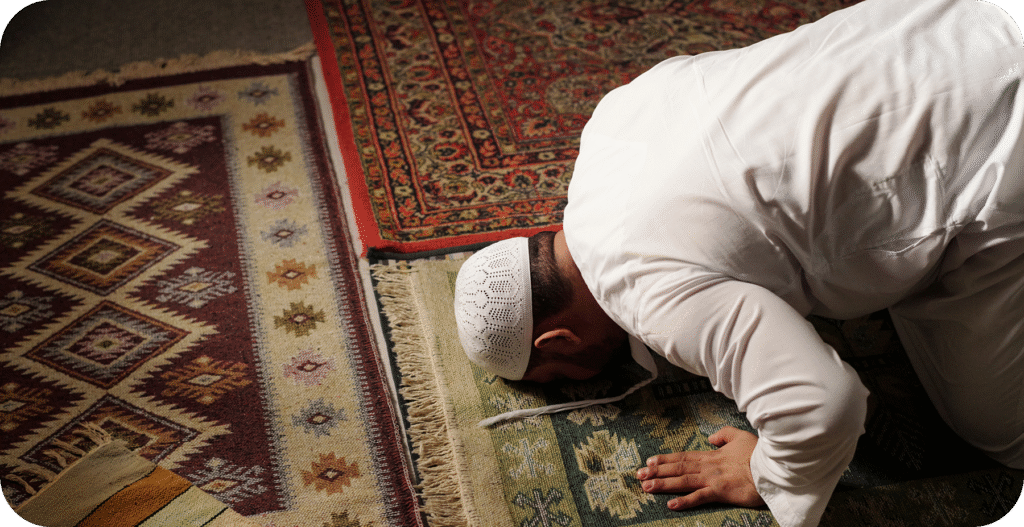
Performing Salat al-Istikhara is simple, but it must be done with correct intention. Here’s a step-by-step guide:
- Make Wudu (ablution): Ensure you are in a state of purity.
- Pray Two Rak‘ahs: Offer two units of voluntary prayer with focus and humility.
- Recite Surah Al-Fatiha & Another Surah: In both rak‘ahs, after Al-Fatiha, recite any Surah you prefer.
- Recite the Du‘a of Istikhara: After completing the prayer, raise your hands and recite the authentic du‘a of Istikhara (recorded in Sahih al-Bukhari).
- Place Your Trust in Allah: After praying, rely on Allah’s guidance and accept whatever outcome follows.
This prayer does not require a special time, though performing it at night before sleeping is recommended.
Common Misconceptions About Istikhara
Despite its simplicity, many misconceptions surround Istikhara:
- Seeing Dreams is Mandatory: It is not necessary to see a dream after Istikhara. Guidance can appear through ease, clarity, or natural unfolding of events.
- Only for Big Decisions: The Prophet (ﷺ) taught his companions to perform Istikhara in all matters, big or small.
- Needs a Scholar to Perform: Istikhara is a personal prayer; anyone can perform it sincerely.
- Instant Results Required: Sometimes guidance is clear immediately, while other times it unfolds gradually.
These misconceptions often confuse, but authentic Hadith clarifies the true method.
Signs of Acceptance of Istikhara in Islam
After performing Istikhara, signs of Allah’s guidance may include:
- A sense of peace or comfort towards one decision.
- Events naturally become easier in one direction.
- Removal of obstacles in the chosen path.
- A strong feeling in the heart that aligns with righteousness.
It is important to note that one should remain patient and observant, rather than expecting a miraculous dream or voice.
When to Perform Istikhara?
Istikhara can be performed whenever there is uncertainty in a decision. Common occasions include:
- Marriage proposals.
- Choosing a career or business opportunity.
- Relocating to another city or country.
- Making financial decisions or investments.
- Educational choices.
Essentially, any decision where the outcome is unclear is a valid situation for Istikhara.
What are the Benefits of Istikhara in Islam?
Performing Istikhara provides numerous spiritual and psychological benefits:
- Strengthens reliance on Allah (tawakkul).
- Reduces stress and anxiety about decisions.
- Brings barakah (blessing) in the chosen path.
- Protects from regret and mistakes.
- Encourages humility and recognition of Allah’s wisdom.
By practicing Istikhara regularly, a Muslim strengthens his relationship with Allah and learns to trust divine decree.
Conclusion
Istikhara stands as one of the most powerful tools that Allah grants Muslims to seek divine help in their daily lives. It is simple, authentic, and deeply rooted in the Sunnah. Instead of relying solely on human judgment, Istikhara connects the believer directly to Allah’s infinite wisdom.
May Allah guide us all to make decisions that are best for our faith, our worldly life, and our Hereafter. Muslims seeking authentic spiritual practices must rely only on sources rooted in the Qur’an and Sunnah. Practitioners of ruqyah, duas, and other forms of Islamic healing must follow Shariah strictly and avoid all forms of innovation. If you wish to explore more authentic supplications and Islamic guidance, you can visit Rohani Wazaif – Rohani Ilaj Center, where a wide range of Qur’anic and prophetic supplications are compiled to help strengthen one’s faith and spiritual well-being.

The Islamic view of dreams goes far beyond cultural curiosity or superstition. In Islam, dreams are not random mental images but meaningful reflections, carrying spiritual messages and insight. They can inspire, warn, or comfort a believer when interpreted through the lens of knowledge and faith. The Qur’an and Sunnah recognize dreams as a subtle form of divine communication granted to those whose hearts remain pure and connected to Allah.
Understanding the Islamic View of Dreams
The Islamic view of dreams begins with acknowledging that they hold a sacred place in human experience. From Prophet Yusuf (عليه السلام) to the Prophet Muhammad ﷺ, dreams have served as signs, prophecies, and means of divine guidance. The Qur’an dedicates a full chapter, Surah Yusuf, to dream interpretation, showing its spiritual depth. In Islam, dreams are not judged by fantasy but by truth and alignment with divine wisdom. A good dream (ru’yā ṣāliḥa) brings joy, while a bad dream (ḥulm) comes from Shayṭān to confuse or frighten the believer.
The Spiritual Value of Dream Interpretation
The knowledge of interpreting dreams (ʿilm al-taʿbīr) is considered a noble science in the Islamic view of dreams. According to authentic narrations, the ability to interpret dreams was a special miracle granted to Prophet Yusuf (عليه السلام). Since prophetic miracles represent the highest forms of divine favor, this knowledge, too, is regarded as exalted.
علم تعبیر کی فضیلت احادیث نبوی سے
(1) حدیث شریف میں آیا ہے کہ علم تعبیر خواب حضرت یوسف علیہ السلام کا ایک علمی معجزہ تھا اور یہ ایک بدیہی ( ظاہر ) بات ہے کہ جو چیز پیغمبر کا معجزہ ہو وہ یقینا افضل واعلیٰ ہوا کرتی ہے۔
This shows that the science of interpretation is an inheritance of prophetic knowledge. When a believer reflects sincerely on their dreams, they engage with a spiritual language that transcends the physical world.
Dreams as a Reflection of Faith: Islamic View of Dreams
The Prophet ﷺ said:
“الرؤيا جزء من سقة واربعين جزء من النبوۃ”
(A believer’s dream is one-forty-sixth part of Prophethood.)
This hadith emphasizes that true dreams are not mere illusions; they are connected to the light of revelation. While prophecy itself ended with Muhammad ﷺ, the ability to receive ru’yā ṣāliḥa continues as a divine mercy. Therefore, in the Islamic view of dreams, they are seen as remnants of prophetic inspiration. If Prophethood represents the highest human perfection, then any fragment of it, such as truthful dreams, also carries an elevated status. Hence, ʿilm al-taʿbīr, the science of interpreting dreams, is noble because it deals with such a sacred phenomenon.
Dreams as a Subtle Form of Revelation
A narration from Ibn ʿAbbās (رضي الله عنه) records that the Prophet ﷺ said:
“Dreams are a type of divine inspiration through which Allah informs His servant of the good or evil that is destined for him, so that he remains humble and aware of his Lord’s decree.”
From this teaching, the Islamic view of dreams regards them as reminders of divine presence. A dream can protect the believer from arrogance and heedlessness, awakening spiritual consciousness before a trial or blessing occurs. Thus, the dream becomes a mercy, a mirror of destiny shown by Allah to guide the soul.
Dreams After the End of Revelation: Islamic View of Dreams
During the Prophet’s final illness, the Companions (رضي الله عنهم) grew sorrowful. They said:
“O Messenger of Allah, you used to inform us of what was good and warn us of what was harmful. After you depart, who will inform us?”
The Prophet ﷺ replied:
“بعد وفاتي ينقطع الوحى ولا ينقطع المبشرات”
(After my passing, revelation will end, but glad tidings will not.)
When the Companions asked what “glad tidings” meant, he said:
“الرؤيا الصالحة التي يراها المرأ الصالح”
(Good dreams seen by righteous believers.)This profound teaching confirms that while revelation may have ceased, good dreams remain as divine signs, continuing the prophetic connection. In the Islamic view of dreams, righteous visions are a mercy for believers, reminding them that communication between the Creator and His servants never truly ends.
The Required Knowledge for Interpreting Dreams
Dream interpretation in Islam is not guesswork or superstition; it requires deep scholarship. Classical scholars stated that a complete interpreter (muʿabbir) must master several disciplines before explaining a dream. These include:
- Tafsir – knowledge of Qur’anic interpretation
- Hadith – understanding of Prophetic sayings
- Amthāl (proverbs) – wisdom found in parables
- Arabic poetry and expressions
- Lexicography – knowledge of roots and meanings
- Linguistic derivation (ishtiqāq)
- Cultural and contextual awareness
Such breadth ensures that interpretation aligns with both revelation and intellect. In the Islamic view of dreams, this discipline is treated as a sacred science requiring piety, purity, and precision.
Who Should Not Interpret Dreams

The scholars also cautioned believers against seeking dream interpretation from unreliable or irreligious sources. Imam Jaʿfar (رحمه الله) stated that there are four types of people from whom one should never seek interpretation:
- The irreligious are those who neglect the laws of Islam. Their lack of piety blocks spiritual insight.
- Women, according to traditional scholars, due to social and historical contexts where formal religious education was limited for them. (Modern scholars clarify that the essence here is about competence, not gender.)
- The ignorant, even if educated in worldly sciences. Without Qur’an and Hadith knowledge, their interpretations lack divine grounding.
- Enemies, who may intentionally misinterpret a dream and cause harm.
The Qur’anic proof is found in the words of Prophet Yusuf (عليه السلام) to his prison companions:
“قضى الامر الذى فيه تستفتیان”
(“The matter about which you sought my interpretation has been decreed.”)
It illustrates that dream interpretations, when given truthfully, are manifested by Allah’s command; thus, one must seek them from righteous and learned individuals.
The Limits of Shayṭān in Dreams: Islamic View of Dreams
In exploring the Islamic view of dreams, it’s crucial to understand that Shayṭān can appear in deceptive forms, but his power has boundaries. Imam Jābir al-Maghribī (رحمه الله) explained that Shayṭān interferes in many dreams, disguising himself as people or objects to confuse believers.
However, he cannot take the form of:
- Allah Almighty
- Any Prophet
- Angels
- The heavens, the sun, the moon, or the stars
If Shayṭān could imitate divine or celestial forms, the world would drown in deception. But Allah, in His wisdom, protects sacred symbols from being misused in dreams. This safeguard allows believers to trust visions that contain such imagery, knowing they are pure and not satanic illusions.
The Moral Responsibility of Interpreters
In the Islamic view of dreams, interpreters carry a moral responsibility. A dream, when interpreted, tends to unfold according to that interpretation. This is why scholars warn interpreters to speak positively whenever possible. If a dream has an ambiguous meaning, it should be linked to goodness and hope.
The Prophet Yusuf (عليه السلام) demonstrated this principle throughout his story. His interpretations not only explained the unseen but also guided nations toward patience and wisdom. Dream interpretation, therefore, is not only a science but an act of compassion.
Modern Reflections on the Islamic View of Dreams
Today, Muslims still experience dreams that inspire or warn. While psychology explores dreams through subconscious patterns, Islam integrates the spiritual dimension, acknowledging that the heart perceives truths unseen by the mind.
Dreams in Islam remind believers that life extends beyond the physical. They teach self-awareness, moral accountability, and closeness to Allah. The Islamic view of dreams invites us to interpret them through faith, not fear; through knowledge, not fantasy.
When handled with sincerity, dreams can transform the believer’s journey, offering insight during confusion, strength during hardship, and peace during distress.
Conclusion: The Divine Wisdom Behind Dreams
The Islamic view of dreams portrays them as a divine mercy, a bridge between the human soul and the unseen world. They remind us that even in silence, Allah speaks through signs, reflections, and visions.
True dreams are not coincidences; they are invitations to purify the heart, seek understanding, and remain steadfast in remembrance. The science of dream interpretation (ʿilm al-taʿbīr) thus stands as one of the noble inheritances of Prophethood. When approached with knowledge and humility, it illuminates the believer’s path, revealing divine wisdom beyond Khawāb Ki Tabeer.

The evil eye in marriage is a silent but powerful trial that many couples face. It is not always visible, yet its effects can have a profound impact on love, harmony, and peace between spouses. Islam teaches that envy and unseen forces can harm relationships, but it also emphasizes that faith, protection, and remembrance of Allah are powerful means of healing. This is not superstition; it is a reminder of how spiritual reality intertwines with human life. At Rohani Ilaj Center, individuals and families are supported through authentic Islamic guidance to address issues such as the evil eye, black magic, and other spiritual disturbances, helping couples restore balance, peace, and stability in their marriages through Qur’anic remedies and sincere spiritual care.
Understanding the Evil Eye in Marriage
The evil eye in marriage refers to envy or negative energy that arises when someone looks at a couple’s happiness with jealousy or ill intentions. In Islam, it is known as ʿAyn, a real spiritual harm that can affect one’s health, wealth, or relationships. The Prophet ﷺ explained that the evil eye is true, meaning its effects are real, though unseen.
Often, marital peace weakens not because of emotional distance or material stress, but because of invisible harm caused by others’ jealousy. When a couple shares their joy publicly through social media, gatherings, or even casual conversations, they may unintentionally expose their blessings to envy.
How does the Evil Eye in Marriage Manifest?
The evil eye in marriage can manifest subtly at first. A couple once deeply connected may begin to feel sudden tension, misunderstanding, or emotional distance without a clear reason. Arguments may grow frequent, affection may fade, and one or both partners may feel inexplicable sadness or fatigue.
Sometimes, one spouse develops irrational anger, restlessness, or anxiety. In other cases, financial stability can collapse without warning, or health problems can appear unexpectedly. While not every hardship stems from ʿAyn, recognizing its signs can help believers take both spiritual and practical precautions.
Spiritual Roots Behind the Evil Eye in Marriage
The evil eye in marriage often begins with envy. Someone may admire a couple’s closeness or comfort but harbor hidden jealousy. Islam teaches that such feelings open doors for spiritual harm. This is why believers are encouraged to recite mā shāʾ Allāh (as Allah willed) when they see something they admire, to block jealousy and protect blessings.
Faith reminds us that envy stems from a diseased heart. The envious person wishes for others’ blessings to diminish rather than praying to receive their own. Thus, protection against ʿAyn starts with purifying one’s own heart and intentions.
Signs of the Evil Eye in Marriage
While only Allah knows the unseen, certain patterns may indicate that a couple is affected by the evil eye in marriage:
- Constant arguments without reason
- Sudden emotional distance or coldness
- Lack of peace or joy at home
- Repeated financial or health struggles
- Continuous negative thoughts about one another
- Feeling oppressed, tired, or spiritually heavy
These signs are not proof, but warnings to seek protection and spiritual healing.
Preventing the Evil Eye in Marriage
Prevention begins with humility and discretion. Islam encourages couples to keep their blessings private. Publicly showcasing every gift, trip, or expression of affection can inadvertently invite envy. Protecting one’s love through modesty is an act of gratitude.
Regular remembrance of Allah (dhikr) strengthens the home against harm. Reciting Ayat al-Kursi, Surah Al-Falaq, and Surah An-Naas daily protects from unseen forces. The Prophet ﷺ often recited these verses for protection and encouraged others to do the same.
Saying Bismillah before sharing pictures, meals, or experiences is also a form of spiritual armor. It reminds believers that every blessing comes from Allah and is guarded by His will.
Healing from the Evil Eye in Marriage
If a couple suspects harm, the first step is spiritual cleansing, known as Ruqyah. It involves reciting Qur’anic verses and supplications for healing. This can be done by oneself or through a knowledgeable, trustworthy practitioner who follows Islamic guidelines.
The husband and wife can perform Ruqyah together by reciting verses like Al-Falaq and An-Naas, blowing lightly into water, and using that water for drinking or washing. They should also increase prayer, repentance, and charity, as these acts strengthen spiritual resilience. Forgiveness plays a vital role, too.
Holding grudges weakens faith, while mercy restores harmony. Healing from ʿAyn is not just about protection; it’s about cleansing the heart and renewing connection with Allah.
Strengthening Love Through Faith
The evil eye in marriage weakens where love is not protected by faith. Couples who pray together often find renewed peace, even after deep wounds. Establishing shared worship, such as praying Fajr side by side or reading Qur’an together, creates a barrier against envy and discord.
Gratitude also plays a key role. Constantly thanking Allah for one’s spouse turns attention away from what’s missing toward what’s blessed. This mindset diminishes vulnerability to jealousy and evil influence.
Social Media and the Evil Eye

Modern life has amplified exposure to envy. Sharing romantic moments online can attract admiration but also jealousy. The evil eye in marriage spreads easily when couples unintentionally showcase every detail of their private life.
Islam teaches moderation in self-expression. Protecting your marriage means protecting its privacy. Post with purpose, not pride. Share gratitude, not display. A relationship rooted in humility invites Allah’s mercy, not people’s envy.
The Role of Dua in Healing
Supplication is one of the strongest shields against the evil eye in marriage. When a couple turns to Allah together, their bond is spiritually fortified. Duʿāʾ cleanses pain, invites mercy, and renews hope.
The Prophet ﷺ reminded believers that every dua is heard, even if not answered immediately. A husband or wife who prays for each other’s protection manifests compassion and faith. This unity repels harm and invites barakah (blessing).
A sincere dua might be as simple as:
“O Allah, protect our marriage from envy, strengthen our hearts, and fill our home with tranquility.”
When to Seek Help for the Evil Eye?
If spiritual remedies bring no relief and emotional distance deepens, it is wise to seek both religious and psychological help. Islam encourages holistic healing by addressing the body, mind, and soul together.
A qualified scholar can guide couples through authentic Ruqyah, while a professional counselor can help resolve communication issues worsened by spiritual stress. When approached with sincerity, both forms of support complement each other effectively.
At Rohani Ilaj Center, individuals and couples receive compassionate guidance for spiritual struggles, including the evil eye, black magic, emotional distress, and relationship difficulties. If you or your loved ones need clarity, healing, and peace, reach out to Rohani Ilaj Center today and take the first step toward balanced and holistic healing.
Reclaiming Peace
Recovery from the evil eye in marriage takes time, patience, and consistency. Once healing begins, it’s vital to maintain spiritual protection. Continue daily recitations, guard privacy, and nurture gratitude. Every small act of remembrance builds peace again.
Trusting Allah’s wisdom through hardship transforms pain into purification. What begins as a spiritual trial often ends as a renewal of faith and love.
Final Reflections on the Evil Eye in Marriage
The evil eye in marriage reminds us that love is both a blessing and a test. Protecting it requires more than affection; it needs spiritual awareness. When faith anchors the relationship, no unseen force can truly break it.
Couples who remember Allah together find healing not only from envy but from every hardship as well. The key is constancy: recite, reflect, and rely on Allah’s mercy. In doing so, the home becomes a place of light, untouched by darkness.
Spiritual problems can quietly disrupt peace, health, relationships, and daily life. Many people suffer silently, unable to explain what they feel or why things keep going wrong. The Rohani Ilaj Center exists to guide people through such unseen struggles using authentic Islamic spiritual solutions. We help individuals facing issues like black magic, evil eye, spiritual anxiety, and unexplained hardships through consultation, prayer-based guidance, and online istikhara.
We created this platform to offer clarity, faith-based reassurance, and sincere help without fear, superstition, or false practices.
About Rohani Ilaj Center
The Rohani Ilaj Center provides Islamic spiritual guidance to help people reconnect with peace through faith. Rather than promoting fear, we emphasize understanding, patience, and reliance on Allah. Every case is approached with sincerity, respect for privacy, and a sense of responsibility.
People reach out to us when worldly solutions fail or when emotional and spiritual burdens feel overwhelming. Our role is to guide, not exploit.
Spiritual Problems Rohani Ilaj Center Help With
Many spiritual issues share similar symptoms, yet each person’s situation is unique.
At the Rohani Ilaj Center, we commonly assist with:
• Effects of black magic
• Evil eye (nazar)
• Unexplained fear or restlessness
• Sudden loss of peace or focus
• Repeated obstacles in life matter
• Spiritual confusion or heaviness
We address these problems through consultation and authentic Islamic guidance, not shortcuts or fabricated remedies.
Islamic Approach to Spiritual Healing
Islam teaches that one attains true spiritual healing through sincerity, patience, and remembrance. The Rohani Ilaj Center follows a Shariah-compliant approach. There are no amulets, charms, or misleading claims.
People seek healing through supplication, reflection, corrective guidance, and by strengthening their relationship with Allah. The process restores faith gradually, never by force. This method protects individuals from khurafat while guiding them toward spiritual balance.
Online Istikhara for Guidance
Many people feel stuck when making decisions or struggling to understand ongoing difficulties. Through online istikhara, the roohani ilaj center helps individuals seek clarity regarding their situations. Istikhara is not fortune-telling. It is a prayer for guidance when the heart feels uncertain.
People request istikhara for matters such as marriage concerns, ongoing hardships, spiritual confusion, or unexplained disturbances. We share guidance responsibly and with humility.
Role of Hafiz Hanif
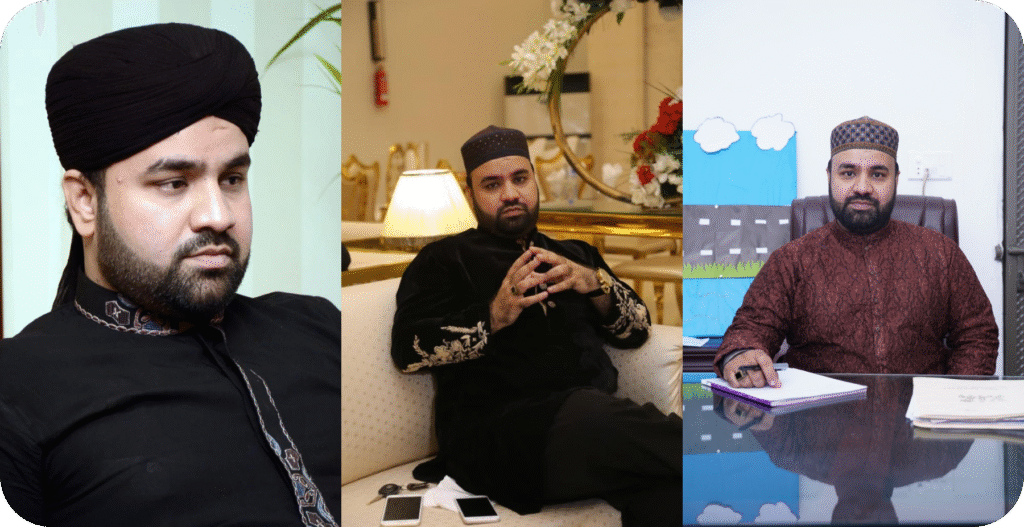
Hafiz Hanif is associated with the Rohani Ilaj Center and offers spiritual guidance rooted in Islamic principles. His approach emphasizes patience, sincerity, and trust in Allah rather than fear or dependency. He believes spiritual healing should strengthen faith, not weaken it.
Through consultation and istikhara-based guidance, he assists people seeking clarity, peace, and understanding during difficult spiritual phases.
Why People Trust Rohani Ilaj Center?
Trust is essential in spiritual matters.
People turn to the Rohani Ilaj Center because:
• Guidance is faith-based, not fear-based
• Privacy and respect are maintained
• No false promises are made
• Shariah boundaries are respected
• Online support is available globally
Our goal is not dependency, but healing and inner strength.
Online Support for Global Reach
Spiritual distress has no borders. The center offers online consultation and istikhara, allowing people from different countries to seek guidance without physical travel. This accessibility ensures help reaches those who need it most, wherever they are.
When Should You Seek Spiritual Consultation?
You should consider reaching out if:
• Problems persist without a clear cause
• Anxiety or fear feels unexplained
• You feel spiritually disconnected
• Repeated obstacles appear suddenly
• Inner peace feels lost
Seeking help is not a weakness. It is a step toward clarity.
Final Thoughts
Spiritual problems are real, but so is guidance. The Rohani Ilaj Center exists to help individuals navigate unseen struggles with faith, balance, and sincerity. With online istikhara, consultation, and guidance by Hafiz Hanif, people find reassurance without fear or exploitation. Healing begins when trust replaces confusion, and faith replaces doubt.
Hafiz Hanif is renowned for providing Islamic spiritual guidance rooted in the Qur’an, Sunnah, and ethical responsibility. In an era where spiritual matters are often exploited through fear and superstition, Hafiz Hanif provides calm, faith-based direction without exaggeration or false claims.
Through his association with the Rohani Ilaj Center, Hafiz Hanif helps individuals seeking clarity, peace, and spiritual balance, all while adhering strictly to Islamic teachings.
Who Is Hafiz Hanif?
Hafiz Hanif is a Hafiz-e-Qur’an who provides spiritual consultation rooted in Islamic principles. His guidance focuses on strengthening belief, correcting misunderstandings, and helping people face spiritual challenges with patience and trust in Allah.
Rather than presenting himself as a healer with supernatural powers, Hafiz Hanif emphasizes that true help comes from Allah alone. His role is to guide people toward the right spiritual path, not to replace faith with dependency.
Hafiz Hanif’s Approach to Spiritual Problems
Hafiz Hanif approaches spiritual issues with clarity and balance. Many people suffer not because of unseen forces alone, but due to fear, anxiety, and weak spiritual grounding.
His guidance focuses on:
- Strengthening faith and reliance on Allah
- Correct understanding of spiritual tests
- Islamic supplication and reflection
- Avoiding panic and superstition
Hafiz Ji does not promote shortcuts, instant cures, or fear-based solutions.
Helping People Facing Black Magic and Evil Eye
People often contact Hafiz Hanif when they experience prolonged distress, unexplained fear, or continuous emotional heaviness. Some believe they may be affected by black magic or the evil eye.
Hafiz Ji handles such concerns responsibly. He does not confirm spiritual harm without careful understanding. Instead, he guides individuals toward Islamic protection through prayer, remembrance, and correction of belief.
This approach helps people regain confidence instead of living in fear.
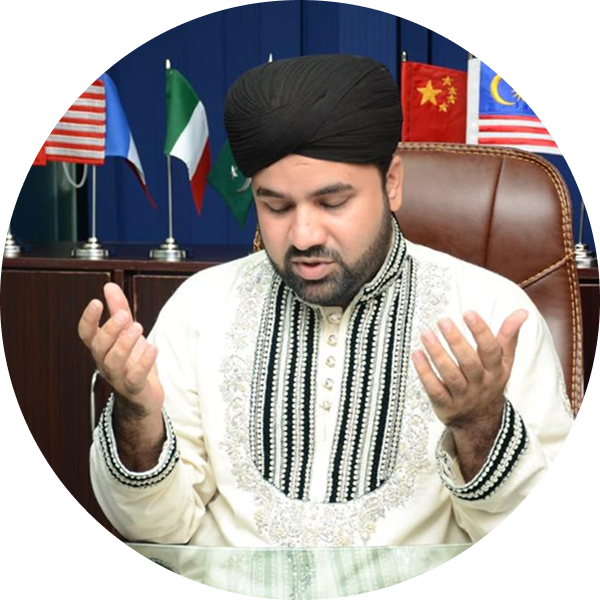
Online Istikhara Guidance
Hafiz Ji also provides guidance related to istikhara for individuals facing confusion in major life decisions. Istikhara is treated as a spiritual act of seeking Allah’s direction, not as prediction or fortune-telling.
He helps people understand how to perform istikhara correctly and how to move forward with patience and trust afterward. This guidance is available through the Roohani Ilaj Center for those who cannot seek help in person.
Clear Rejection of Fake Spiritual Practices
A key reason people trust Hafiz Ji is his clear rejection of un-Islamic practices. He does not support:
- Taweez without an Islamic basis
- Paid charms or objects
- Numerology or energy rituals
- Fear-based spiritual manipulation
His guidance reminds people that Islam offers protection through faith, not superstition.
Hafiz Hanif Association with Rohani Ilaj Center
Rohani Ilaj Center is the platform through which Hafiz Ji offers consultation and spiritual guidance. The center exists to connect people with authentic Islamic assistance, not to exploit fear or suffering for commercial gain.
Hafiz Hanif’s presence at the Rohani Ilaj Center enables individuals worldwide to access guidance online responsibly and respectfully.
Why People Trust Hafiz Hanif?
People trust Hafiz Hanif because he speaks with honesty, humility, and restraint. He does not exaggerate problems, nor does he dismiss genuine pain.
His guidance encourages self-reflection, patience, and spiritual growth. This balanced approach helps individuals regain peace without emotional dependence.
Final Words
Hafiz Hanif represents a grounded and ethical approach to Islamic spiritual guidance. His work reminds believers that no matter how heavy the struggle feels, Allah remains closer than fear itself.
Through sincere advice and faith-based direction, Hafiz Ji helps people move from confusion to clarity, and from fear to trust.