

Rohani Ilaj Blog - Islamic Spiritual Healing
Welcome to the Rohani Ilaj Blog, your trusted source for authentic Islamic spiritual guidance and Quran-based healing. Here you will find practical articles on Ruqyah, Wazaif, Duʿa, Istikhara, evil eye protection, dream interpretation, and other spiritual solutions to everyday challenges. Whether you are seeking guidance for yourself or your family, the Rohani Ilaj Blog offers reliable, faith-based insights to support your spiritual journey.


Brothers in Islam: Building Bonds of Love & Respect
The relationship between brothers is one of the strongest family bonds in Islam. Brothers often grow up together, support one another through life’s challenges, and share responsibilities within the family. Islam encourages Muslims to nurture this relationship with kindness, honesty, and mutual respect. Understanding the importance of brothers in Islam helps believers appreciate the value of strong family ties and encourages them to fulfill their duties toward one another with sincerity and compassion.
The Status of Brothers in Islam
Islam places great importance on maintaining family relationships, and the bond between brothers is no exception. Brothers are expected to care for one another, protect one another, and work together to strengthen the family.
A brother can be:
- A source of support during difficult times
- A trusted companion and advisor
- A role model for younger siblings
- A partner in maintaining family unity
A healthy relationship between brothers contributes to a peaceful and loving home.
Rights of Brothers in Islam
Every brother deserves to be treated with fairness and respect. Islam teaches that family relationships should be built on justice, compassion, and understanding.
The rights of brothers include:
- Being treated with kindness and respect
- Receiving emotional and practical support
- Being spoken to politely
- Being treated fairly in family matters
- Having their dignity and honor protected
Fulfilling these rights strengthens trust and creates lasting relationships.
The Importance of Supporting Brothers
Supporting one another is one of the greatest qualities of a strong family.
Brothers should:
- Help each other during hardships
- Offer sincere advice with kindness
- Encourage one another to do good
- Celebrate each other’s achievements
- Stand together during family difficulties
Even simple acts of support can make a lasting difference in a brother’s life.
Common Challenges Between Brothers in Islam
Although brothers share a close bond, disagreements can still arise.
Some common challenges include:
- Misunderstandings
- Competition or jealousy
- Financial disagreements
- Lack of communication
- Holding onto old conflicts
Islam encourages resolving disagreements through patience, forgiveness, and honest communication instead of allowing conflicts to damage family relationships.
How to Strengthen Relationships Between Brothers in Islam?
Building a strong relationship requires continuous effort and sincerity.
You can strengthen your relationship by:
- Speaking respectfully at all times
- Spending quality time together
- Offering help without expecting anything in return
- Forgiving mistakes quickly
- Keeping regular contact, even when living apart
- Making time to understand each other’s concerns
Small efforts made consistently can strengthen brotherhood for a lifetime.
Benefits of Maintaining Good Relationships With Brothers
Maintaining a close relationship with brothers benefits the entire family.
Some of these benefits include:
- Greater family unity
- Emotional support during difficult times
- Better communication
- Increased trust and understanding
- A peaceful home environment
Strong family relationships provide comfort and stability throughout life.
Spiritual Guidance and Support
Sometimes misunderstandings, distance, or personal differences can weaken family relationships. During such times, patience, sincere communication, and spiritual guidance can help rebuild trust and strengthen family bonds.
Rohani Ilaj Center provides Qur’an and Sunnah-based guidance to help families improve relationships, resolve conflicts peacefully, and maintain the strong family ties encouraged in Islam.
Conclusion
Brothers in Islam are a blessing and an important source of support, companionship, and strength. Islam teaches believers to maintain this relationship through kindness, fairness, forgiveness, and mutual respect.
By fulfilling the rights of brothers and strengthening family ties, Muslims create homes filled with love, unity, and peace. A strong relationship between brothers not only benefits the family but also contributes to a more caring and compassionate society.

Sisters in Islam: Their Honor, Rights, and Importance
The bond between sisters is one of the most precious relationships in a family. A sister can be a source of love, support, guidance, and companionship throughout life. Islam recognizes the value of this relationship and teaches Muslims to treat their sisters with kindness, respect, and compassion. Furthermore understanding the importance of sisters in Islam helps strengthen family ties and encourages believers to fulfill their responsibilities toward their sisters with sincerity and care.
The Status of Sisters in Islam
Islam honors women and gives them dignity, respect, and rights. A sister is not only a family member but also someone who deserves love, protection, and fair treatment.
Whether she is older or younger, every sister has the right to be treated with kindness, appreciation, and respect. In addition a healthy relationship between siblings contributes to a peaceful and united family.
Rights of Sisters in Islam
Islam teaches that sisters should be treated fairly and compassionately. Their rights include:
- Being treated with kindness and respect
- Receiving fair treatment within the family
- Being protected from harm
- Receiving love, care, and emotional support
- Being encouraged to seek beneficial knowledge
However respecting these rights helps create stronger family relationships based on trust and understanding.
The Importance of Caring for Sisters in Islam
Supporting sisters is an important part of maintaining family ties. A caring relationship provides emotional strength during both joyful and difficult times.
Caring for sisters includes:
- Listening to their concerns
- Helping them during times of need
- Encouraging them to achieve their goals
- Respecting their opinions
- Standing by them during challenges
Small acts of kindness can strengthen the bond for a lifetime.
Common Challenges Between Siblings
Like any relationship, disagreements may occur between brothers and sisters.
Some common challenges include:
- Misunderstandings
- Jealousy or comparison
- Lack of communication
- Holding grudges
- Neglecting family relationships due to busy lives
Islam encourages resolving conflicts through patience, forgiveness, and respectful communication.
How to Build a Strong Relationship With Your Sister?
A strong relationship is built through consistent effort and sincere intentions.
You can strengthen your bond by:
- Speaking politely and respectfully
- Spending quality time together
- Offering help without expecting anything in return
- Appreciating her efforts and achievements
- Forgiving mistakes and avoiding unnecessary arguments
Strong family relationships are built on love, trust, and mutual respect.
Benefits of Maintaining Good Relations With Sisters
Maintaining a positive relationship with sisters brings many benefits:
- Stronger family unity
- Better emotional support
- Increased trust and understanding
- A peaceful home environment
- Lasting memories and lifelong companionship
Healthy sibling relationships contribute to the overall well-being of the entire family.
Spiritual Guidance and Support
Family relationships sometimes become strained because of misunderstandings or emotional distance. In such situations, patience, kindness, and spiritual guidance can help restore harmony.
Rohani Ilaj Center provides Qur’an and Sunnah-based guidance to help families strengthen relationships, improve communication, and maintain the bonds that Islam encourages.
Conclusion
Sisters in Islam are a precious blessing who deserve love, respect, and care. Islam encourages believers to honor their sisters, support them during difficult times, and maintain strong family ties built on compassion and understanding.
However by treating sisters with kindness and fulfilling their rights, we strengthen our families, improve our character, and create homes filled with peace, mercy, and mutual respect.

Parents in Islam: Honoring Those Who Shaped Your Life
Parents are among the greatest blessings a person receives in life. They dedicate their time, energy, and love to raising their children, often making countless sacrifices without expecting anything in return. Islam places great emphasis on respecting, caring for, and honoring parents throughout every stage of life. Understanding the importance of parents in Islam helps believers recognize their responsibilities and strengthen family relationships.
Treating parents with kindness is not only a moral duty but also a way to earn Allah’s pleasure and create a peaceful home.
The Status of Parents in Islam
Islam gives parents an honorable position because of the care, love, and sacrifices they make for their children.
Parents spend years:
- Providing food, clothing, and shelter
- Teaching good manners and values
- Supporting their children emotionally
- Guiding them through life’s challenges
Their dedication deserves gratitude, respect, and lifelong care.
Why Respecting Parents Is Important in Islam?
Respect is one of the greatest rights parents have over their children.
Showing respect helps:
- Build stronger family relationships
- Create harmony within the home
- Develop humility and good character
- Strengthen a person’s faith and moral values
A respectful relationship with parents creates an environment filled with love and understanding.
Ways to Honor Parents in Islam
There are many ways to show love and appreciation for parents.
These include:
- Speaking to them politely
- Listening carefully when they talk
- Helping them with daily responsibilities
- Spending quality time with them
- Caring for them as they grow older
- Praying for their well-being
Simple acts of kindness often mean more than expensive gifts.
Common Mistakes Children Make With Parents in Islam
Sometimes people unintentionally hurt their parents through their behavior.
Common mistakes include:
- Ignoring their advice
- Raising their voice
- Being impatient
- Neglecting their emotional needs
- Becoming too busy to spend time with them
Recognizing these mistakes allows people to improve their relationship before it is too late.
The Rewards of Serving Parents
Serving parents benefits both this life and the next.
It helps a person:
- Develop patience and compassion
- Build strong family ties
- Earn the respect of others
- Experience greater peace and satisfaction
- Become a better role model for future generations
Acts of kindness toward parents leave a lasting impact on the entire family.
How to Strengthen Your Relationship With Your Parents?
Building a stronger relationship requires consistent effort.
You can:
- Communicate with kindness
- Express appreciation regularly
- Be patient during disagreements
- Visit or call them frequently
- Support them emotionally and financially whenever possible
Strong relationships are built through love, respect, and consistency.
Spiritual Guidance and Support
Family relationships sometimes face misunderstandings or emotional distance. During such times, spiritual guidance can help strengthen communication and restore mutual respect.
Rohani Ilaj Center provides Qur’an and Sunnah-based guidance to help families build healthier relationships, improve understanding, and strengthen the bond between parents and children.
Conclusion
Parents in Islam are a priceless blessing whose love and sacrifices can never truly be repaid. Islam teaches believers to honor, respect, and care for their parents throughout their lives.
By showing kindness, gratitude, and compassion, we strengthen our families, improve our character, and create homes filled with peace and mercy.
Honoring parents is one of the greatest investments a person can make for both this life and the Hereafter.
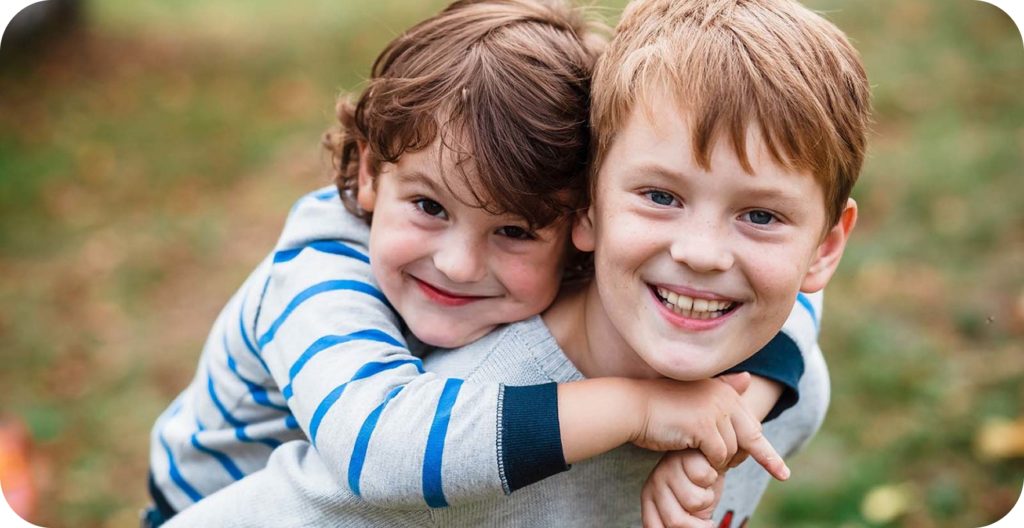
Siblings in Islam: Building Relationships Through Love and Respect
Siblings are among the closest relationships a person experiences in life. They grow together, share memories, support each other through challenges, and become lifelong companions. Islam gives great importance to maintaining strong family ties and encourages kindness, respect, and responsibility between brothers and sisters.
Understanding the value of siblings in Islam helps people create healthier relationships and strengthen family bonds built on love and compassion.
The Importance of Siblings in Islam
Sibling relationships are more than just family connections. They are opportunities to practice patience, kindness, forgiveness, and support.
Siblings often:
- Share life experiences together
- Support each other emotionally
- Learn values and habits from one another
- Create a stronger family environment
Islam encourages maintaining these relationships with sincerity and good character.
Rights and Responsibilities Between Siblings
In Islam, relationships come with responsibilities.
Siblings should:
- Treat each other with respect
- Speak kindly and avoid harsh words
- Help each other during difficulties
- Maintain communication and connection
- Support each other emotionally and practically
Strong sibling relationships contribute to a peaceful family life.
Why Sibling Relationships Matter?
Healthy relationships between siblings bring many benefits:
- Strong emotional support
- Better communication within families
- Reduced family conflicts
- A sense of belonging and security
When siblings maintain mutual respect, family relationships become stronger overall.
Common Challenges Between Siblings
Even close relationships can face difficulties.
Some common issues include:
- Jealousy and comparison
- Misunderstandings
- Lack of communication
- Competition and unresolved conflicts
- Distance created by busy lives
Recognizing these challenges helps people address problems before they grow.
How to Build Better Relationships With Siblings in Islam?
Improving sibling relationships often starts with small actions.
You can:
- Communicate openly
- Apologize when necessary
- Avoid keeping grudges
- Spend quality time together
- Offer support without expecting something in return
Small efforts create long-lasting bonds.
Siblings in Islam and Personal Growth
Sibling relationships often teach important life lessons.
They help develop:
- Patience
- Empathy
- Responsibility
- Conflict resolution skills
- Emotional maturity
These lessons benefit relationships outside the family as well.
Spiritual Guidance and Support
Family relationships sometimes become difficult due to misunderstandings or emotional distance. In such situations, spiritual guidance can help rebuild trust and improve communication.
Rohani Ilaj Center provides Qur’an and Sunnah-based guidance to help families strengthen relationships and create a more peaceful home environment.
Conclusion
Siblings in Islam are a blessing and an important part of family life. Islam encourages maintaining these relationships with kindness, respect, and patience.
By treating siblings with care and understanding, families become stronger, relationships become healthier, and homes become more peaceful.
Strong sibling relationships are built through love, communication, and consistent effort.

Mistakes in Islam: Learning, Growing, and Moving Forward
Every person makes mistakes. No matter how careful, knowledgeable, or experienced someone is, mistakes remain a natural part of life. Some mistakes are small, while others may leave emotional, personal, or spiritual effects. Understanding the concept of mistakes in Islam helps a person view mistakes as opportunities to learn, improve, and strengthen their character.
Islam encourages accountability, reflection, and positive change instead of remaining stuck in regret.
What Are Mistakes In Islam?
Mistakes are actions, decisions, or words that lead to outcomes we did not intend or that move us away from what is right.
Mistakes can happen in different areas of life:
- Personal decisions
- Relationships
- Work and responsibilities
- Emotional reactions
- Spiritual habits
Making mistakes does not define a person; how they respond to them matters more.
Why Do People Make Mistakes?
There are many reasons why mistakes happen:
- Acting without enough thought
- Emotional decisions
- Lack of knowledge
- Impatience
- Distractions and pressure
Recognizing the cause of mistakes helps prevent repeating them.
Why Learning From Mistakes In Islam Is Important?
Mistakes can become valuable lessons when approached correctly.
Learning from mistakes helps:
- Build maturity and wisdom
- Improve decision-making
- Strengthen self-awareness
- Develop patience and discipline
Growth often begins when a person reflects honestly and takes responsibility.
Common Mistakes People Repeat
Some common patterns include:
- Ignoring advice
- Repeating unhealthy habits
- Avoiding responsibility
- Making decisions too quickly
- Focusing on blame instead of solutions
Breaking these patterns creates long-term improvement.
How to Deal With Mistakes in a Healthy Way?
Islam encourages a balanced approach when dealing with mistakes.
You can:
- Accept responsibility honestly
- Reflect on what happened
- Correct the mistake where possible
- Avoid excessive guilt
- Focus on improving moving forward
Mistakes should become lessons, not permanent labels.
Mistakes in Islam and Personal Growth
People often gain their strongest lessons through difficult experiences.
Mistakes can teach:
- Humility
- Better judgment
- Emotional control
- Greater appreciation for guidance
A person who reflects and improves becomes stronger over time.
Spiritual Guidance and Support
Sometimes people carry guilt or struggle to move forward after mistakes. In such situations, spiritual guidance can help restore clarity and direction.
Rohani Ilaj Center provides Qur’an and Sunnah-based guidance to help individuals strengthen self-awareness, improve habits, and move forward with confidence and balance.
Conclusion
Mistakes in Islam are not meant to stop personal growth; they are opportunities to learn and improve. Every experience can become a step toward becoming wiser and stronger.
By reflecting honestly, correcting actions, and focusing on positive change, a person can transform mistakes into meaningful lessons and build a better future.
Progress begins when we choose growth over regret.
Angels in Islam: Understanding the Invisible Creation of Allah
In Islam, belief in the unseen is an essential part of faith. Among the most important unseen creations are the angels. They are honored servants of Allah who play a vital role in carrying out His commands in the universe.
Understanding the concept of angels in Islam helps a believer strengthen their faith, develop awareness of Allah’s power, and appreciate the organized system of creation that exists beyond human perception.
Who Are the Angels In Islam?
Angels are spiritual beings created by Allah from light. They are not like humans or jinn, as they do not possess free will in the same way. Instead, they are completely obedient to Allah and always carry out His commands.
Angels:
- Do not eat or drink
- Do not sleep or get tired
- Always obey Allah
- Do not disobey His commands
They exist in a world beyond human sight but are constantly involved in human life.
Role of Angels in Islam
Angels perform many important duties assigned by Allah. However, each angel has a specific responsibility.
Some of their roles include:
- Delivering revelations to prophets
- Recording human deeds
- Taking the souls at the time of death
- Managing natural events by Allah’s command
- Protecting and supporting believers
Their work shows the perfect order and control of Allah over everything.
Famous Angels in Islam
Although, Islam mentions several important angels, each with a special role:
- Jibreel (Gabriel): Delivered revelation to the prophets
- Mikaeel (Michael): Responsible for provision and rain
- Israfeel: Will blow the trumpet on the Day of Judgment
- Malik-ul-Maut: Angel of death who takes souls
These angels carry out major responsibilities in the divine system.
Angels and Human Life
Angels are closely connected to human beings. They are present at different stages of life and record every action a person performs.
Two angels are assigned to every person:
- One records good deeds
- One records bad deeds
However, this reminds a believer to stay conscious of their actions and intentions.
Why Belief in Angels Is Important?
Believing in angels also strengthens faith and awareness.
It helps a person:
- Become more mindful of actions
- Stay away from sin
- Increase accountability
- Strengthen belief in the unseen
It also reminds us that nothing is hidden from Allah.
Angels and Protection
Angels are also responsible for protecting believers by Allah’s permission. They surround those who remember Allah and engage in good deeds.
This protection brings comfort and reassurance to a believer’s heart.
Common Misunderstandings
Some people misunderstand angels as symbolic or imaginary beings. However, in Islam, angels are real creations with specific roles and responsibilities.
They are not divine, nor do they have independent power. Everything they do is by Allah’s command.
Spiritual Reflection
Belief in angels encourages a person to live a more disciplined and mindful life. When a person realizes that their actions are being recorded, they become more careful with their behavior.
Rohani Ilaj Center provides Qur’an and Sunnah-based guidance to help individuals strengthen their faith in the unseen and develop a closer connection with Allah.
Conclusion
Angels in Islam are a vital part of the unseen world. They reflect the greatness, order, and power of Allah’s creation.
By believing in angels, a Muslim becomes more aware of their actions, strengthens their faith, and lives a more responsible and conscious life.
Understanding angels is not just knowledge it is a reminder of the constant presence of Allah’s system in every moment of life.