
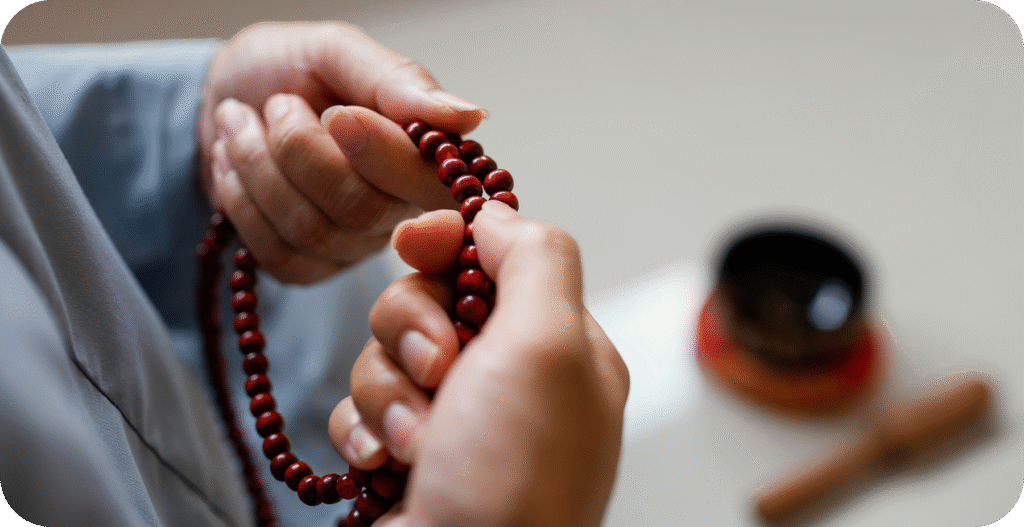
When faced with important life choices, whether related to marriage, career, business, or personal matters, Muslims are encouraged to seek guidance from Allah through Istikhara in Islam. At Rohani Ilaj Center, we offer online Istikhara services strictly based on the Qur’an and Sunnah, helping individuals make decisions with clarity, sincerity, and reliance upon Allah.
This blog will cover everything you need to know about Istikhara in Islam, including its meaning, purpose, authentic method, step-by-step guide, common misconceptions, and practical tips for recognizing Allah’s guidance. By the end, you will have a clear and detailed understanding of how to perform Istikhara correctly in Islam, how it aligns with Islamic teachings, and how it can bring peace of heart, clarity of direction, and confidence in decision – making.
What is Istikhara in Islam?
Istikhara (Arabic: استخارة) comes from the word khayr (goodness), and it means “to seek goodness or guidance from Allah.” In Islamic practice, it refers specifically to Salat al-Istikhara, the prayer that a Muslim performs when seeking Allah’s help in making a decision.
The Prophet Muhammad (ﷺ) taught his companions to perform Istikhara in all matters, big or small. Jabir ibn ‘Abdullah (may Allah be pleased with him) reported:
“When one of you has a matter of concern, let him perform two cycles of prayer besides the obligatory prayers. Then, let him say, ‘O Allah, I seek guidance from Your knowledge and power from Your might, and I ask You from Your tremendous favor. Verily, You have power and I do not have power, and You know and I do not know. You are the Knowing of the Unseen.
O Allah, if You know this matter is good for my religion, my livelihood, and my fate, or if it is better for my present and latter needs, then decree it for me, make it easy for me, and bless me in it. But if You know this matter is evil for my religion, my livelihood, and my fate, or if it is worse for my present and latter needs, then divert it from me, keep me away from it, decree what is good for me, and then make me content with it.‘ Then, let him mention his need.” (Sahih al-Bukhari, 1166).
Therefore, this Hadith shows the importance of Istikhara in a Muslim’s life, as a believer should practice it not only during major life events but also regularly whenever uncertainty arises.
The Purpose of Istikhara in Islam
The primary purpose of Istikhara is to seek Allah’s guidance when making decisions. It reflects a believer’s humility, showing that human knowledge is limited, while Allah’s wisdom is infinite.
Key purposes include:
- Seeking clarity and relief from confusion.
- Protecting oneself from regretful decisions.
- Strengthening trust in Allah (tawakkul).
- Gaining peace of heart through divine support.
By performing Istikhara, a Muslim admits: “O Allah, You know what I do not. Guide me towards what is best for my deen, worldly life, and akhirah.”
Evidence of Istikhara from Hadith
The practice of Istikhara is directly established through authentic Hadith. Narrated `Aisha:
“After offering the two rak`at (Sunna) the Prophet (p.b.u.h) used to talk to me, if I happen to be awake; otherwise he would lie down.” (Sahih al-Bukhari, 1162).
This Hadith confirms that Istikhara is a Sunnah and that a Muslim should perform it with sincerity whenever uncertainty arises.
How to Perform Istikhara Step by Step?
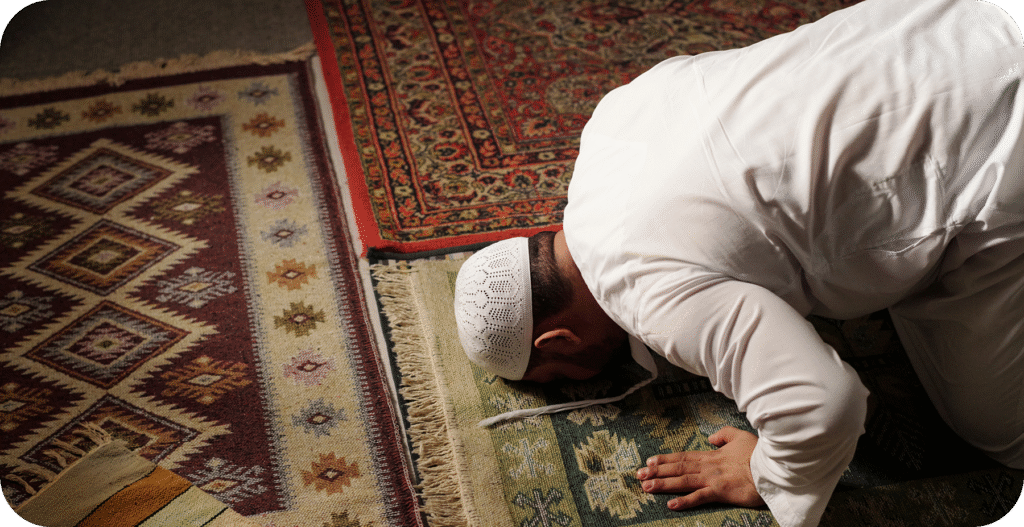
Performing Salat al-Istikhara is simple, but it must be done with correct intention. Here’s a step-by-step guide:
- Make Wudu (ablution): Ensure you are in a state of purity.
- Pray Two Rak‘ahs: Offer two units of voluntary prayer with focus and humility.
- Recite Surah Al-Fatiha & Another Surah: In both rak‘ahs, after Al-Fatiha, recite any Surah you prefer.
- Recite the Du‘a of Istikhara: After completing the prayer, raise your hands and recite the authentic du‘a of Istikhara (recorded in Sahih al-Bukhari).
- Place Your Trust in Allah: After praying, rely on Allah’s guidance and accept whatever outcome follows.
This prayer does not require a special time, though performing it at night before sleeping is recommended.
Common Misconceptions About Istikhara
Despite its simplicity, many misconceptions surround Istikhara:
- Seeing Dreams is Mandatory: It is not necessary to see a dream after Istikhara. Guidance can appear through ease, clarity, or natural unfolding of events.
- Only for Big Decisions: The Prophet (ﷺ) taught his companions to perform Istikhara in all matters, big or small.
- Needs a Scholar to Perform: Istikhara is a personal prayer; anyone can perform it sincerely.
- Instant Results Required: Sometimes guidance is clear immediately, while other times it unfolds gradually.
These misconceptions often confuse, but authentic Hadith clarifies the true method.
Signs of Acceptance of Istikhara in Islam
After performing Istikhara, signs of Allah’s guidance may include:
- A sense of peace or comfort towards one decision.
- Events naturally become easier in one direction.
- Removal of obstacles in the chosen path.
- A strong feeling in the heart that aligns with righteousness.
It is important to note that one should remain patient and observant, rather than expecting a miraculous dream or voice.
When to Perform Istikhara?
Istikhara can be performed whenever there is uncertainty in a decision. Common occasions include:
- Marriage proposals.
- Choosing a career or business opportunity.
- Relocating to another city or country.
- Making financial decisions or investments.
- Educational choices.
Essentially, any decision where the outcome is unclear is a valid situation for Istikhara.
What are the Benefits of Istikhara in Islam?
Performing Istikhara provides numerous spiritual and psychological benefits:
- Strengthens reliance on Allah (tawakkul).
- Reduces stress and anxiety about decisions.
- Brings barakah (blessing) in the chosen path.
- Protects from regret and mistakes.
- Encourages humility and recognition of Allah’s wisdom.
By practicing Istikhara regularly, a Muslim strengthens his relationship with Allah and learns to trust divine decree.
Conclusion
Istikhara stands as one of the most powerful tools that Allah grants Muslims to seek divine help in their daily lives. It is simple, authentic, and deeply rooted in the Sunnah. Instead of relying solely on human judgment, Istikhara connects the believer directly to Allah’s infinite wisdom.
May Allah guide us all to make decisions that are best for our faith, our worldly life, and our Hereafter. Muslims seeking authentic spiritual practices must rely only on sources rooted in the Qur’an and Sunnah. Practitioners of ruqyah, duas, and other forms of Islamic healing must follow Shariah strictly and avoid all forms of innovation. If you wish to explore more authentic supplications and Islamic guidance, you can visit Rohani Wazaif – Rohani Ilaj Center, where a wide range of Qur’anic and prophetic supplications are compiled to help strengthen one’s faith and spiritual well-being.