
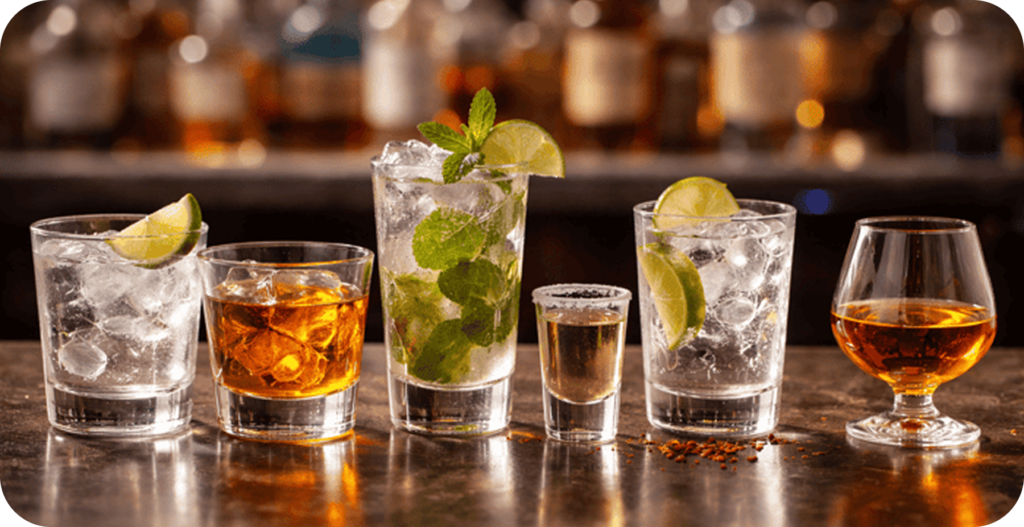
Liquor refers to alcoholic beverages that contain ethanol and can affect a person’s judgment, behaviour, and physical health. In Islam, consuming liquor is haram (forbidden) because alcohol is prohibited due to its intoxicating effects and the harm it can cause to individuals, families, and society. Beyond its religious prohibition, understanding the effects and risks associated with liquor can help people make informed decisions about their health and lifestyle.
What Is Liquor?
Liquor, also called distilled spirits, is alcoholic beverage produced through a distillation process. Unlike some fermented alcoholic drinks, distilled liquor generally contains a higher concentration of alcohol.
Common types include:
- Whiskey
- Vodka
- Rum
- Gin
- Brandy
- Tequila
The alcohol content can vary considerably between products, so the amount consumed and the concentration both influence its effects.
Why Is Liquor Haram in Islam?
Islam prohibits intoxicants because they can affect a person’s mind, judgement, behaviour, and ability to make responsible decisions. The prohibition of alcohol is clearly established in the Qur’an, where believers are instructed to stay away from intoxicants.
The prohibition is not limited to a particular type or brand of alcohol. Intoxicating alcoholic drinks are considered prohibited in Islam, and Muslims are encouraged to protect their minds, bodies, families, and communities from their harmful effects.
For Muslims, avoiding liquor is therefore both a religious responsibility and a way of protecting oneself from the problems associated with intoxication and alcohol misuse.
How Does Liquor Affect the Body?
After alcohol is consumed, it enters the bloodstream and affects the central nervous system. The effects can vary depending on factors such as the amount consumed, body size, food intake, and individual tolerance.
Short-term effects may include:
- Reduced coordination
- Slower reaction time
- Changes in judgment
- Difficulty concentrating
- Drowsiness
- Nausea
Larger amounts can result in serious alcohol poisoning, which requires urgent medical attention.
Long-Term Effects of Excessive Alcohol Consumption
Regular heavy drinking can have serious consequences for physical and mental well-being.
Excessive alcohol consumption is associated with increased risks of:
- Liver disease
- Cardiovascular problems
- Certain cancers
- Alcohol dependence
- Memory and cognitive problems
- Injuries and accidents
The risks generally increase with greater and more frequent alcohol consumption.
Liquor and Addiction
One of the major concerns surrounding alcohol is the possibility of developing alcohol dependence. What may begin as occasional drinking can become difficult to control for some people.
Warning signs can include:
- Drinking more than originally intended
- Finding it difficult to reduce or stop drinking
- Spending significant time obtaining or recovering from alcohol use
- Continuing to drink despite problems caused by alcohol
- Experiencing strong cravings
Alcohol dependence is a health condition and may require professional support.
How Alcohol Can Affect Families?
The effects of excessive drinking are not limited to the individual. Alcohol-related problems can also affect family members and close relationships.
Heavy drinking may contribute to:
- Family conflicts
- Financial difficulties
- Neglect of responsibilities
- Loss of trust
- Emotional distress
Recognizing these effects can encourage people to seek appropriate support before problems become more serious.
Making Informed Choices
Understanding the potential risks of liquor is an important part of making responsible decisions. People who drink should be aware of how alcohol affects their judgment, coordination, and ability to perform everyday activities.
In particular, drinking and driving can put the drinker and other people at serious risk. Anyone who has consumed alcohol should avoid driving or operating machinery.
Getting Help With Alcohol-Related Problems
People who are struggling to control their alcohol use do not have to deal with the problem alone. Speaking with a qualified healthcare professional, addiction specialist, counselor, or trusted support service can be an important step.
Support from family and friends can also make recovery easier. Seeking help early can prevent alcohol-related problems from becoming more severe.
Conclusion
Liquor is widely available in many parts of the world, but its effects deserve careful consideration. While alcohol may be viewed as part of social or recreational activities, excessive consumption can affect physical health, judgment, relationships, finances, and everyday responsibilities.
Learning about liquor and its effects allows people to recognize potential risks and make informed choices. For anyone experiencing difficulty controlling alcohol use, seeking professional support is an important step toward improving their well-being and quality of life.
For those seeking reliable guidance around lifestyle concerns, personal struggles, or spiritual well-being, Rohani Ilaj Center provides guidance based on Islamic teachings and traditional spiritual practices. The center aims to help individuals understand their concerns and seek appropriate spiritual guidance while encouraging positive changes in daily life.