
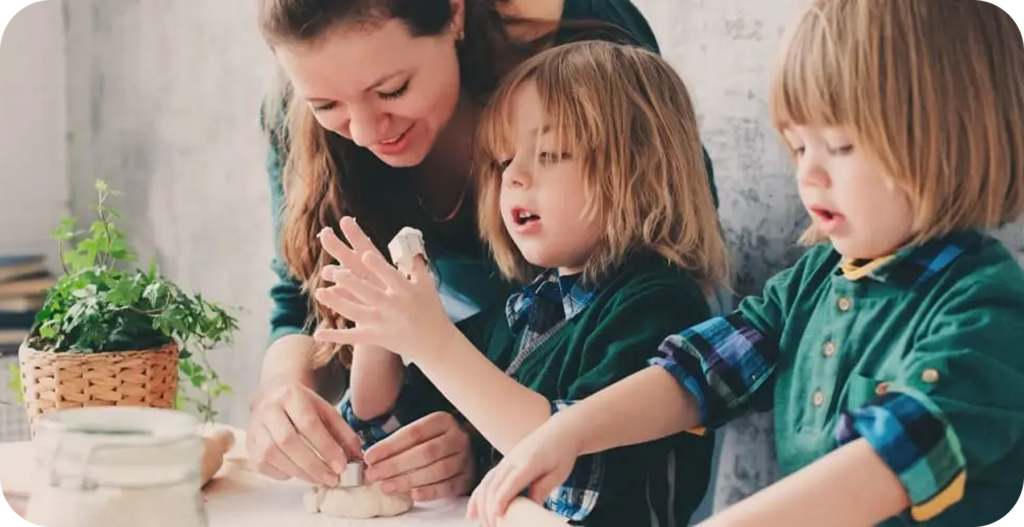
Children are a blessing from Allah and a trust given to parents. Islam places great importance on raising children with love, care, and proper guidance. At the same time, children also have rights that must be fulfilled by parents and society. Understanding children’s rights in Islam helps build strong families and ensures that children grow up in a healthy, respectful, and balanced environment.
Status of Children’s Rights in Islam
In Islam, children hold a highly honored and protected status as both a blessing and a responsibility from Allah. They are not only a source of joy for their parents but also a trust (amanah) that must be cared for with sincerity, justice, and compassion.
Children are entitled to several fundamental rights, including:
- Love, mercy, and emotional care
- Proper upbringing with good morals and values
- Education, guidance, and learning opportunities
- Emotional security and supportive parenting
Islam strongly emphasizes treating children with kindness, patience, and mercy at every stage of their growth, ensuring they develop in a healthy, balanced, and nurturing environment.
Right to Love and Care
One of the most important rights of children is receiving love and care from parents.
This includes:
- Showing affection openly
- Spending quality time with them
- Listening to their feelings
- Treating them with gentleness
Children who grow up with love become emotionally stable and confident.
Right to Proper Upbringing
Islam emphasizes raising children with good morals and values.
Parents are responsible for:
- Teaching honesty and respect
- Encouraging good behavior
- Providing Islamic education
- Guiding them away from harmful influences
A strong upbringing helps children become responsible members of society.
Right to Education
Education is a fundamental right in Islam. Every child should have access to learning opportunities.
This includes:
- Religious education
- Basic academic knowledge
- Moral and ethical understanding
Education helps children develop skills, awareness, and confidence for the future.
Right to Fair Treatment
Islam strictly commands fairness among children. No child should be treated unjustly or given less attention without reason.
Fair treatment includes:
- Equal love and attention
- No favoritism
- Justice in decisions and discipline
Fairness creates harmony and prevents emotional harm.
Right to Protection
Children must be protected from harm, both physical and emotional.
This includes:
- Safe environment at home
- Protection from abuse
- Shielding them from negative influences
- Providing emotional security
A safe environment is essential for healthy growth.
Common Mistakes in Parenting
Some parents unintentionally neglect their children’s rights due to stress or lack of awareness.
Common mistakes include:
- Ignoring emotional needs
- Harsh discipline
- Lack of communication
- Neglecting education
Islam encourages parents to correct these mistakes with patience and awareness.
Importance of Balanced Parenting
Balanced parenting means combining discipline with love. Children need guidance, but also emotional support.
A balanced approach helps:
- Build trust between parents and children
- Improve behavior naturally
- Strengthen family bonds
- Create a peaceful home environment
Spiritual Guidance and Support About Children’s Rights In Islam
Sometimes parents struggle to handle parenting challenges alone. In such cases, spiritual and moral guidance can help improve family relationships.
Rohani Ilaj Center provides Qur’an and Sunnah-based support to help families understand proper parenting and fulfill children’s rights in the best possible way.
Conclusion
Children’s rights in Islam are based on love, care, fairness, and responsibility. Islam teaches that raising children is both a duty and a trust that must be fulfilled with sincerity.
When children are treated with kindness and given their rights, they grow into confident, respectful, and balanced individuals.
A strong foundation in childhood leads to a strong and peaceful society.